
From Limburg to Java: The Story of Professor Dubois
Imagine this: a boy from Eijsden who collects fossils along the Meuse grows up to become the man who changed the world. Eugène Dubois, born on January 28, 1858, was no ordinary scientist. He was a visionary who gave up a comfortable life in the Netherlands to pursue a mission everyone thought was madness.
In 1887, Dubois turned down an attractive position as an anatomical researcher and instead left for the Dutch East Indies as a simple army doctor. His goal? To find the 'missing link' between ape and man, something the entire scientific world was searching for. And he decided to look in Asia.
The Discovery that Changed Everything
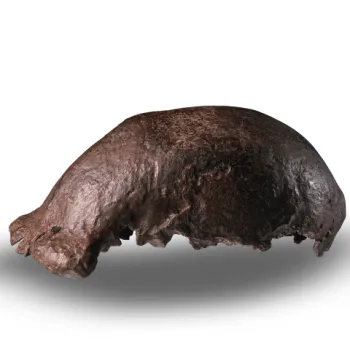
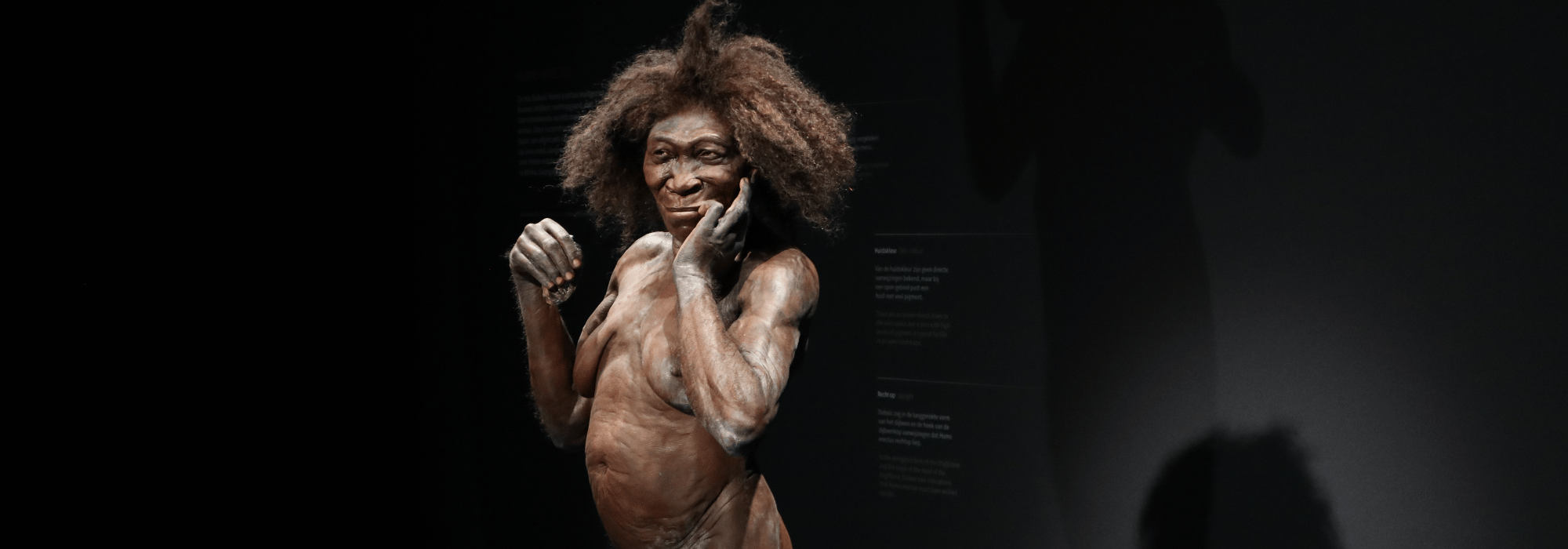
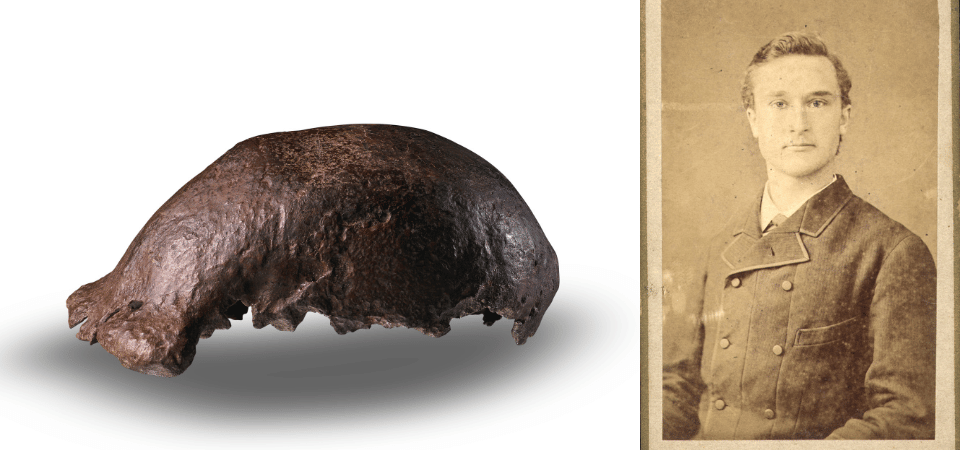
Between 1891 and 1892, Dubois excavated near Trinil on the island of Java. Then the unimaginable happened: among thousands of fossilized bones, he found a skullcap, a femur, and teeth belonging to a creature that was neither fully ape nor fully human. He named it Pithecanthropus erectus, the upright ape-man.
The world was ablaze. At last, there was proof supporting Darwin’s theory of evolution! The 'Java Man' became global news. But instead of fame, Dubois was met with skepticism and criticism from his peers.
De Bedelaar Estate
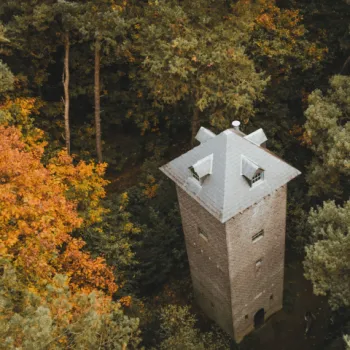
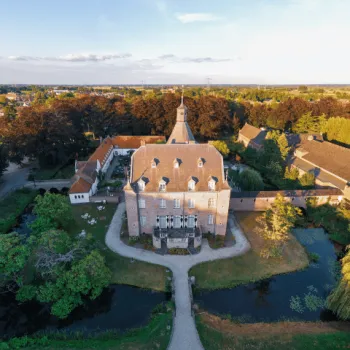
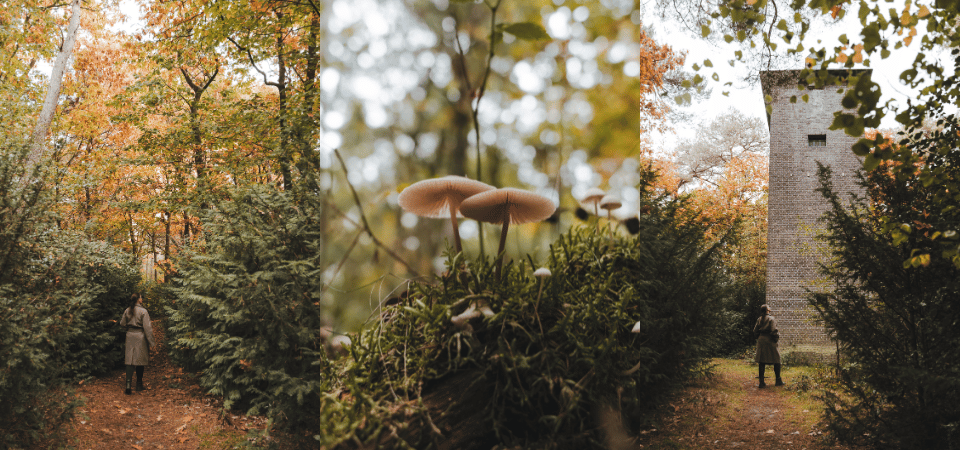
From 1902 onward, Dubois focused on Limburg. The clay pits near Tegelen contained fossils from the Pliocene, about two million years old. At De Bedelaar Estate, he envisioned something extraordinary: a reconstruction of a prehistoric landscape. He also built two towers – the Bat Tower and the Owl Tower. These weren’t whims; by attracting bats and owls, Dubois aimed to naturally control insects and rodents. Long before the term 'ecology' existed, he practiced a form of sustainable agriculture far ahead of its time.
The Collection
As Dubois grew older, his collection expanded to 40,000 objects. After his death, it became part of Naturalis in Leiden. On December 16, 1940, Eugène Dubois died at his beloved estate, De Bedelaar. He was buried in the public cemetery of Venlo, his tombstone decorated with replicas of the Pithecanthropus fossils the discovery that made him immortal.
From Colonial Possession to Restitution
In 2025, the story took a remarkable turn. On September 26, the Dutch government decided that the Dubois Collection, 28,000 fossils including the famous skullcap and femur of Homo erectus, would be returned to Indonesia. The Colonial Collections Committee ruled that the fossils had been excavated under forced labour during colonial times, under harsh conditions. They held spiritual value for the local population, and coercion was used to identify dig sites. On both moral and legal grounds, they belong to Indonesia. This decision closes the circle: the fossils that made Dubois famous will return to the land where they had lain hidden for millions of years.
The Estate after Dubois
The story of De Bedelaar did not end with Dubois’ death. During World War II, the tower served as a hiding place for people in hiding.
After the war, it became a retreat for State Mines employees, later taken over by the Sisters of Heythuysen, who left in 1993. The estate then saw periods of vacancy, and later served as a group hotel and meeting venue. Since 2008, De Bedelaar has had a new purpose: a protected residential facility for people with, among others, psychiatric backgrounds.
Visit the Estate
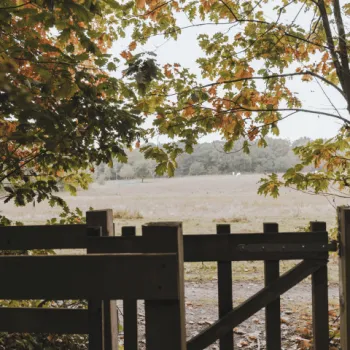
The estate remains a special place in the Hart van Limburg region. The Bat Tower, built in 1916, is a national monument – believed to be the only remaining one of its kind in Europe. It stands on the grounds of Moveoo and is not open to the public. The Owl Tower, restored in 2011, is hidden in the forest. Part of the estate is accessible to walkers.
Sources: Stichting Eugene Dubois Historical Archives, Naturalis, Pat Shipman: The Man Who Found the Missing Link