

Princesses of Thorn
The white town of Thorn looks like it came straight from a postcard, but centuries ago, it was home to high-ranking noblewomen (princesses). Women who lived without monastic vows but with power, wealth, and status. Their unique position made Thorn one of the most remarkable places in Europe. Discover the story of the canonesses who made history, shaped traditions, and left their mark on their time.
Thorn: from market town to mini-state
As early as 1007, Thorn received market and toll rights, and in the 13th century, city rights were granted. From the 12th century onwards, the abbey of Thorn developed into a secular canonry, a religious community where rules were interpreted liberally. At the same time, the town grew into a small principality that existed for eight centuries, governed by 33 abbess-princesses, the so-called canonesses. Thorn had its own judiciary, minted its own coins, and was partly walled. Within the walls was a special area, the immunity, belonging to the abbey. Additionally, there was a civil center and agriculture was practiced north of the town.
princesses in power
In the eighteenth century, princesses and countesses were central figures in Thorn. Only unmarried women of high nobility could become canonesses, provided their family history justified it. Once admitted, they lived in luxury and prestige, with access to the most famous courts in Europe, such as Vienna and Versailles. They received guests in Thorn and thus decided which families and traditions influenced their world.
Luxury and rules
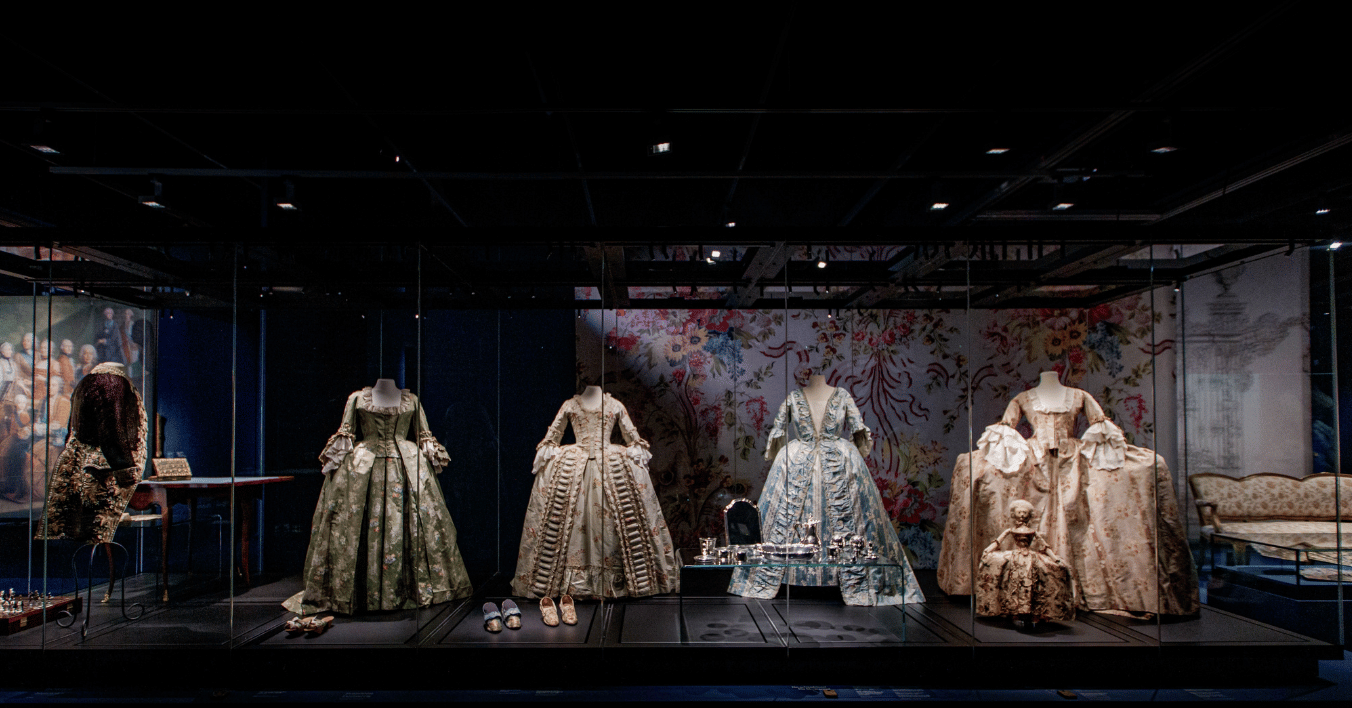
The daily life of the canonesses revolved around elegance and status. Silk dresses, jewelry, and artistic pursuits were a given, but they could only marry partners of equal rank. This meant many princesses remained unmarried. For example, Cunegonda and Gabriëlla never married, although Cunegonda nearly became Empress of Austria.
More than just beauty and manners
Canonesses were not only representatives of their families but also entrepreneurial and culturally active. Cunegonda invested in toll roads, mining, and the iron industry in the Ruhr region. Others devoted their time to art, music, or travel. Sometimes, they sought freedom at a price: Elisabeth contracted a venereal disease when she tried to escape the strict rules of her class.
Thorn: a hub of European nobility
In the eighteenth century, Thorn was a center of European nobility. Canonesses were in contact with important families across Europe, received guests, and were themselves visited by royal houses. The town thus played a remarkable role on the European stage, ruled and shaped by women who left their mark on history.
Thorn then and now
Those who walk through Thorn today can still see traces of this past. The current central square, De Wijngaard, was once literally a vineyard with vast gardens, where the back doors of the grand houses opened. The main entrances faced the stream side and were accessible via small bridges. Behind these doors lived women who, despite all the luxury, were also trapped in their roles and duties.
Exploring Thorn
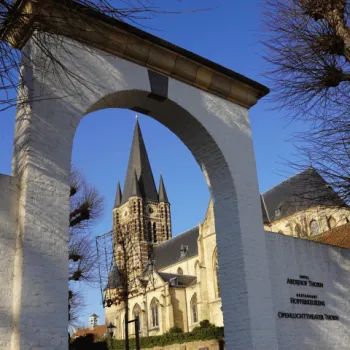
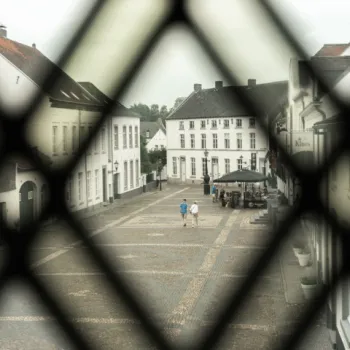
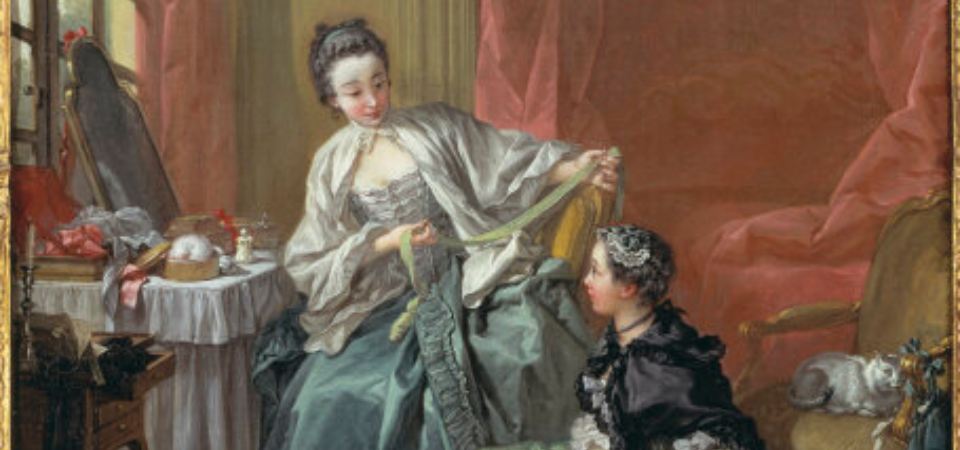
Image of paintings: (The Milliner, 1746) François Boucher 1746 · oil on canvas · Image ID: 376991 · Rococo · Nationalmuseum, Stockholm, Sweden / Bridgeman Images.
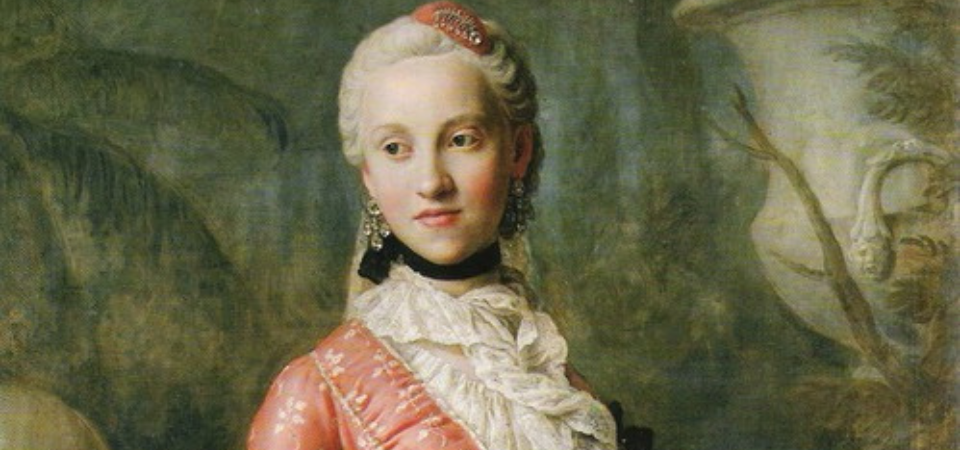
This file was provided to Wikimedia Commons by the Nationalmuseum (Stockholm) as part of a cooperation project with Wikimedia Sverige. And By Pietro Rotari - [1] [showUid]=46, Public Domain, https://commons.wikimedia.org/w/index.php?curid=11995877